

Best Orthodontist for Kids in San Gabriel: What Parents Should Look For
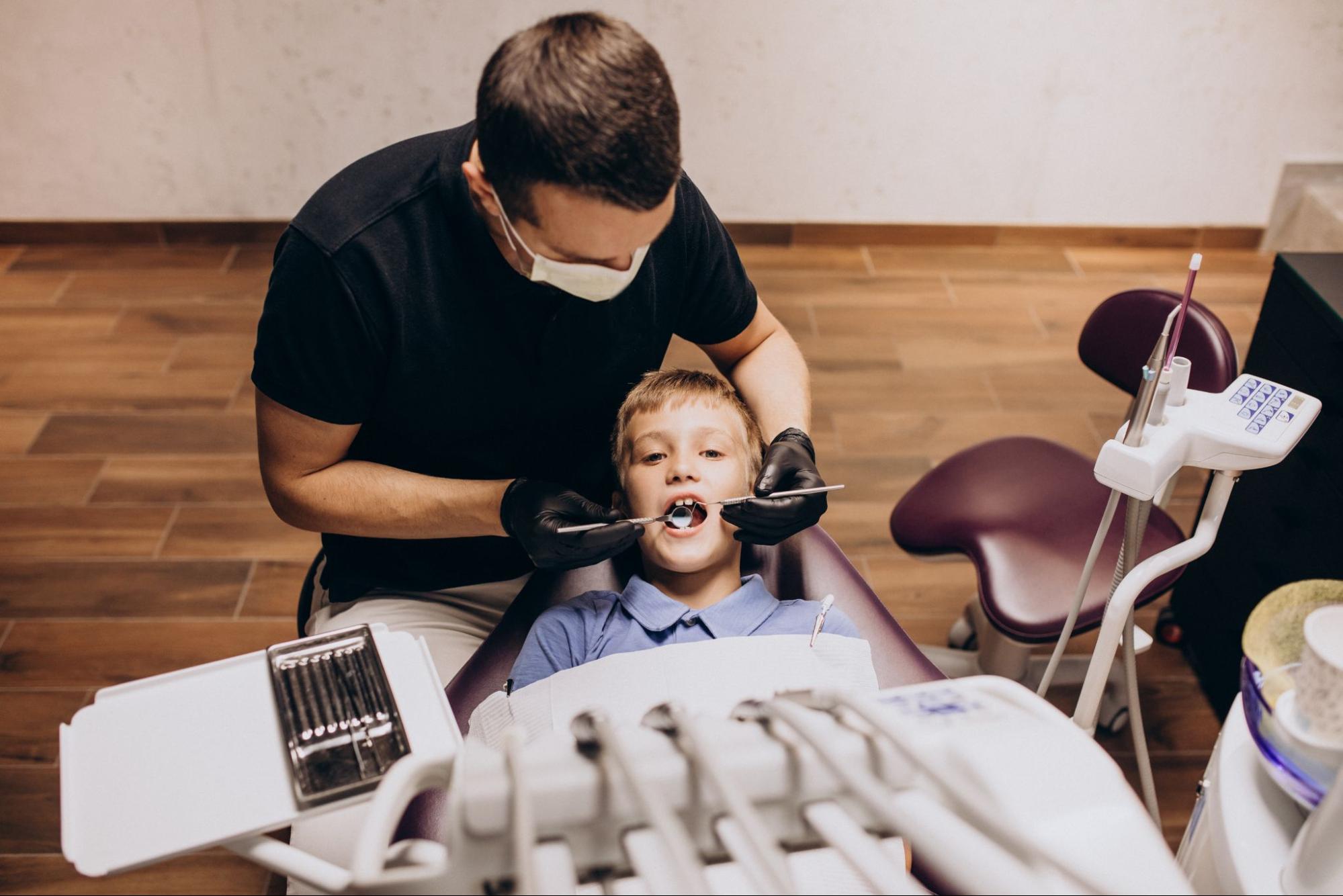
When it comes to your child’s smile, you don’t want to leave the decision to chance. You want an orthodontist who understands growing children, makes them feel comfortable, and gives you confidence that they’re getting the right care, not simply the most expensive treatment. Choosing the best kids orthodontist San Gabriel means looking beyond a friendly office or a list of glowing reviews. Parents should consider the orthodontist’s training, experience with children, available treatment options, approach to growing smiles, and how clearly the team explains costs and expectations. In this guide, we’ll walk you through the key things to look for when choosing a kids orthodontist in San Gabriel, so you can make an informed decision and feel confident about your child’s care.
When Should Your Child First See an Orthodontist?
The American Association of Orthodontists recommends that children have their first orthodontic check-up around age 7. At this stage, the goal is to understand how your child’s teeth and jaws are developing and determine whether any concerns need attention. For some children, early (Phase 1) orthodontic treatment may be helpful while they’re still growing and have some baby teeth. Depending on their needs, treatment can address concerns such as crossbites, significant crowding, or certain jaw-growth issues. For parents, an early visit is simply about knowing what to expect. Your child may not need treatment right away, and you don’t necessarily need a referral from your general dentist to schedule a consultation. If you’re noticing bite or alignment concerns—or your child is around age 7 an orthodontic evaluation can help you understand their needs and what, if anything, comes next.Look for a Board-Certified Orthodontist
An orthodontist completes additional education and residency training after dental school, specializing in the development and movement of teeth and jaws. Parents may also want to ask whether the orthodontist is board certified. Dr. Michael Lee of Valley Smiles Orthodontics is certified by the American Board of Orthodontics, which involves additional evaluation of an orthodontist’s knowledge and clinical skills. Why does this matter? Because confidence starts with knowing who is treating your child. Understanding an orthodontist’s training and credentials can help you feel more comfortable with the treatment recommendations and decisions you’ll make together for your child’s growing smile.Watch for Signs Your Child May Need an Evaluation
Many parents wonder whether their child's crooked or crowded teeth are simply part of growing up. Sometimes they are, but only an orthodontist can determine whether a developing issue needs attention. A few common signs are worth noticing. Spotting them early can give your child more treatment options and give your family more time to plan.- Baby teeth that fall out very early or very late
- Crowded, overlapping, or crooked teeth
- Teeth that stick out noticeably
- Difficulty chewing or biting
- Teeth that don't meet properly, such as with a crossbite, overbite, or underbite
- Jaws that shift when opening or closing
- Persistent thumb sucking or other oral habits that may affect development
Compare Braces and Aligner Options
Every child's smile is different, so a good treatment plan should be based on the child's specific orthodontic needs rather than a one-size-fits-all approach. Traditional braces remain a reliable and widely used option for children and teens. Today's braces are also designed with smaller brackets and other improvements that can make treatment more comfortable and convenient. For patients who prefer a less noticeable option, clear braces use tooth-colored or clear components that blend more naturally with the smile. Older children and teens who want a more discreet treatment option may also be candidates for Invisalign. Clear aligners are removable, which can make eating and brushing easier. However, they also require responsibility because they need to be worn as directed to work effectively. The right choice depends on factors such as your child's age, bite, orthodontic needs, and ability to follow treatment instructions. At Valley Smiles Orthodontics, treatment options include traditional braces, clear braces, and Invisalign, allowing the orthodontic team to recommend an approach based on each patient's individual needs.Understand the Cost Before You Commit
Cost is one of the biggest questions parents have, and a trustworthy orthodontic office should be willing to discuss it openly. Exact treatment fees depend on your child's individual treatment plan, so you'll generally receive personalized pricing after an examination. What you can compare, however, is how an office helps families manage the cost. Here's what parents can ask Valley Smiles Orthodontics about:| Cost Question | What to Know |
| Consultation | Free for new patients |
| Financing | No-interest in-office financing options |
| Insurance | Most insurance plans accepted |
| HSA | Health Savings Accounts accepted |
| Payment methods | Cash, check, credit, debit, and automatic payments |
Choose an Office That Fits Your Family
Orthodontic treatment isn't a one-time appointment. Depending on the treatment plan, your child may need regular visits over several months or longer, so convenience can make a real difference to your family's routine. Look for an office that offers appointment times that work around school and work schedules. Valley Smiles Orthodontics offers after-school and Saturday appointments to give families more scheduling flexibility. Communication matters, too. If parents or children are more comfortable speaking another language, having a team that can communicate clearly with the entire family can make the treatment process easier to understand. Valley Smiles Orthodontics provides care in both English and Chinese, helping families feel more comfortable discussing treatment and asking questions. Before choosing an orthodontist, consider bringing these questions to your first visit:- Is my child ready for treatment now, or should we wait?
- Are you board certified?
- Which treatment options do you recommend, and why?
- How long might treatment take?
- How often will appointments be needed?
- What will treatment cost?
- What payment and insurance options are available?