

Orthodontic Treatment for Teens in San Gabriel: A Parent’s Guide
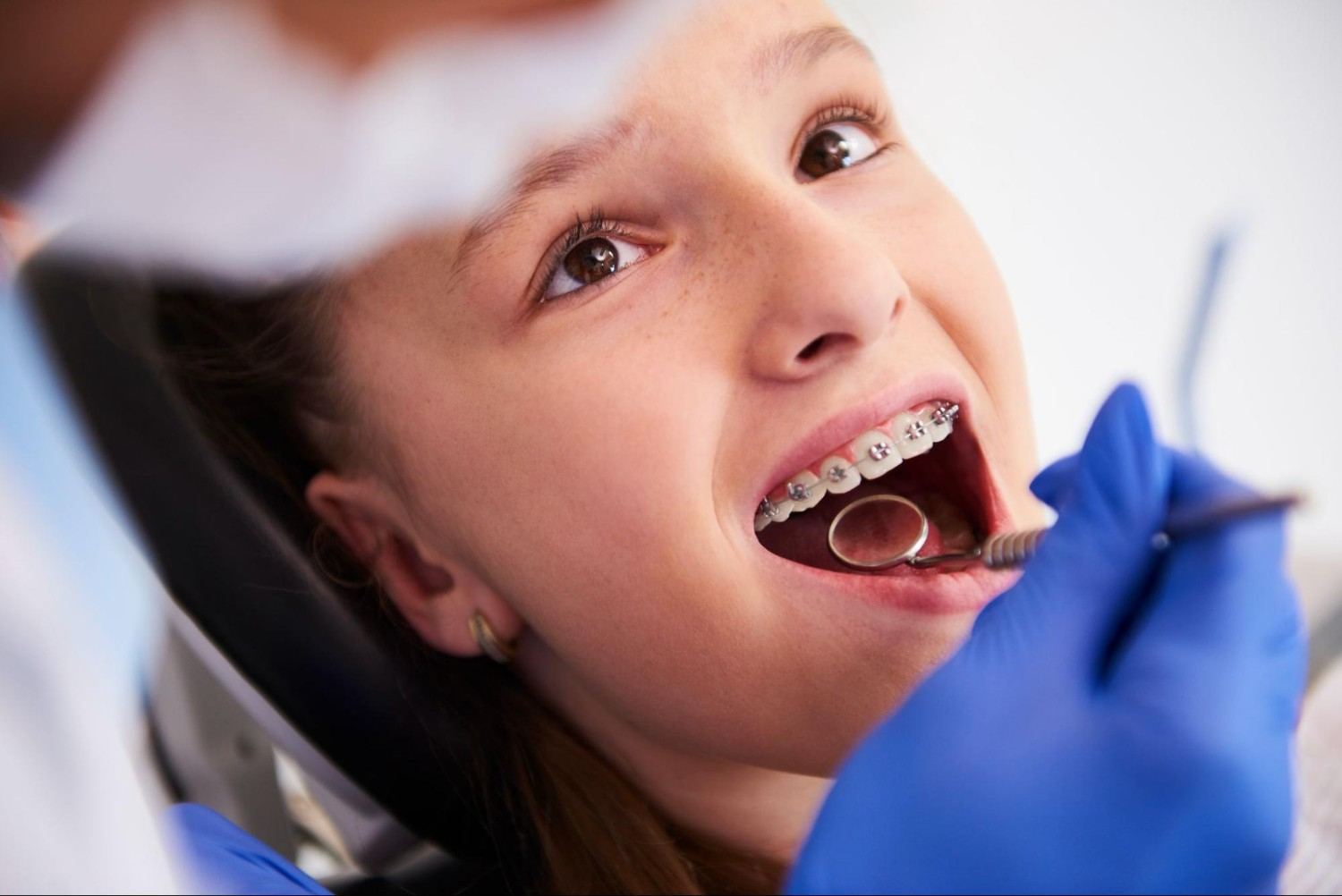
The teenage years are an important time for dental development. As permanent teeth settle into place and the jaw continues to grow, orthodontic concerns such as crowding, gaps, overbites, and underbites can become more noticeable. Addressing these issues during adolescence can help improve your teen’s bite, smile, and long-term oral health. If you are considering teen orthodontics, understanding the available treatments and what your child can expect can make the decision easier. At Valley Smiles Orthodontics, families in San Gabriel can explore orthodontic options suited to their teen’s dental needs, lifestyle, and preferences. This guide explains when teens may need braces, how treatment works, how often appointments are required, and what parents can do to support their children throughout the process.
When Does Your Teen Need Braces?
There is no single age when every teenager should begin orthodontic treatment. Some teens are ready for braces around age 11 or 12, while others may benefit from treatment later, depending on how their permanent teeth have developed. You may want to arrange an orthodontic evaluation if your teen has:- Crowded or overlapping teeth
- Noticeable gaps between teeth
- An overbite, underbite, or crossbite
- Difficulty biting or chewing comfortably
- Teeth that appear unusually positioned
- Jaw discomfort or difficulty closing their mouth properly
What Treatment Options Are Available for Teens?
Orthodontic treatment is no longer limited to traditional metal braces. Teens can choose from several options, depending on their dental needs, preferences, and ability to follow treatment instructions. Here are some treatments parents can discuss with an orthodontist.Traditional Metal Braces
Metal braces use brackets and wires to gradually move teeth into better positions. They can address a wide range of alignment and bite concerns, including more complex cases. Because they stay attached to the teeth, teenagers don't have to remember to put them back in after meals. Valley Smiles offers traditional braces for patients who need this type of fixed orthodontic treatment.Clear Braces
Clear or ceramic braces work similarly to metal braces but use less noticeable brackets. They may appeal to teenagers who want a more discreet appearance while receiving fixed orthodontic treatment. Clear braces can be an alternative for teens who prefer brackets that blend more closely with their teeth.Invisalign Clear Aligners
Invisalign uses a series of removable, transparent trays to gradually move teeth. Teens can remove the aligners for eating, brushing, and flossing. However, they must wear them for the recommended amount of time each day to keep treatment on track. Invisalign may be suitable for teenagers whose orthodontic needs can be addressed with clear aligners and who can follow the daily wear instructions.InBrace Hidden Braces
InBrace is another option for patients who prefer a less visible approach. These braces are placed behind the teeth, making them less noticeable from the front. The brackets and wires sit on the inner surfaces of the teeth. For some teenagers, InBrace hidden braces may offer a more discreet alternative to braces placed on the front of the teeth. The right treatment isn't necessarily the one that looks best or seems most convenient. It should address your teenager's orthodontic needs while fitting their daily habits and preferences. An individual examination helps determine which options are appropriate.How Does Teen Orthodontic Treatment Work?
Parents often want to understand teen orthodontics how it works before committing to treatment. Although the process varies depending on the orthodontic option, it generally follows several stages. Initial Consultation: The orthodontist examines your teen’s teeth, bite, and alignment using digital scans or other diagnostic records. Treatment Recommendation: A suitable option, such as braces or clear aligners, is recommended based on your teen’s needs. Treatment Begins: Braces are placed, or custom aligners are fitted, with instructions for proper use and care. Progress Checks: Regular visits allow the orthodontist to monitor tooth movement and make necessary adjustments. Retention: After treatment, retainers help maintain the results and prevent teeth from shifting.How Many Visits Will Your Teen Need?
The number of visits depends on your teen’s treatment type, orthodontic needs, and progress. Most teens need an initial consultation, a treatment-start appointment, and regular follow-up visits.- Traditional Braces: Checkups are usually scheduled every few weeks for adjustments.
- Invisalign: Periodic visits help monitor progress and ensure treatment stays on track.
- Additional Visits: Loose brackets, damaged wires, or lost aligners may require extra appointments.
Is Orthodontic Treatment Painful?
One of the most common concerns among teenagers and parents is teen orthodontics is it painful. The good news is that orthodontic treatment is generally manageable, although some temporary discomfort is normal. When braces are first placed or adjusted, your teen may experience pressure or soreness as the teeth begin moving. This usually improves within a few days. Clear aligners can also cause temporary pressure when a new set is introduced. A few simple steps can help your teen feel more comfortable:- Choose soft foods such as yogurt, eggs, mashed potatoes, and smoothies when teeth feel sore.
- Avoid hard, crunchy, and sticky foods that can damage braces.
- Use orthodontic wax if brackets or wires irritate the inside of the mouth.
- Follow the orthodontist's guidance on appropriate pain relief.
- Maintain gentle brushing and flossing to keep the teeth and gums healthy.
How Much Does Teen Orthodontic Treatment Cost?
The cost of treatment depends on several factors, so parents often search for teen orthodontics how much does it cost before scheduling an appointment. There is no single price that applies to every teenager. The total cost can vary based on:- Type of treatment: Traditional braces, clear braces, Invisalign, and hidden braces may have different fees.
- Complexity of the case: More involved alignment or bite concerns may require additional treatment.
- Treatment duration: The time needed to achieve the desired results can affect the overall cost.
- Additional care: Retainers and other treatment-related needs may influence the final amount.
A 5-Step Guide to Helping Your Teen Through Treatment
Understanding teen orthodontics and what to expect is only part of the process. Parents also play an important role in helping teens maintain healthy habits and stay comfortable throughout treatment.Step 1: Prepare Your Teen for the First Appointment
Explain what to expect and encourage your teen to ask questions about treatment, comfort, and daily care.Step 2: Choose the Right Treatment
Discuss braces and clear aligners with the orthodontist to find an option that suits your teen’s dental needs and lifestyle.Step 3: Maintain Good Oral Hygiene
Encourage brushing twice daily and flossing once a day to prevent plaque buildup, cavities, and gum problems.Step 4: Follow Dietary Guidelines
Avoid hard, sticky, and chewy foods with braces. Remove aligners before eating and drinking anything other than water.Step 5: Keep Appointments and Follow Instructions
Attend regular checkups, follow the orthodontist’s instructions, and ensure aligners are worn for the recommended hours.Why Choose Valley Smiles Orthodontics in San Gabriel?
Valley Smiles Orthodontics offers personalized orthodontic care for children, teens, and adults. Families benefit from:- Multiple Treatment Options: Traditional braces, clear braces, Invisalign, and InBrace hidden braces.
- Digital Scanning: Modern scanning technology for treatment evaluation.
- Free Initial Consultation: Discuss your teen’s orthodontic needs and suitable options.
- Flexible Appointments: After-school and Saturday availability.
- In-Office Financing: Payment options, including no-interest financing.