

Do Braces Change Face Shape in Adults and Teens? Complete Guide
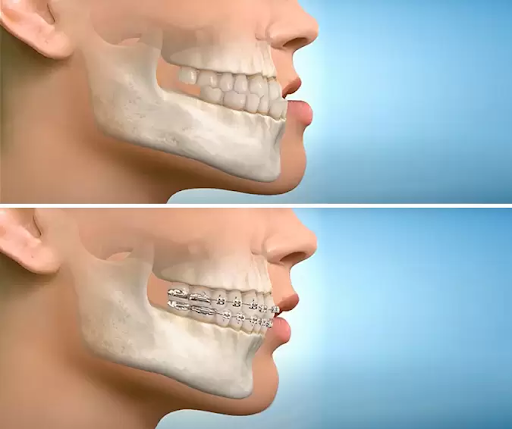
Scroll through orthodontic before-and-after photos and one thing becomes clear: the smile isn’t the only thing that changes. Many patients look more balanced, confident, and even subtly different in their facial profiles. This naturally raises an important question: do braces change your face shape, or is it simply the effect of straighter teeth? The reality is both scientifically grounded and encouraging. Orthodontic treatment doesn’t just align teeth; it improves bite relationships, jaw posture, and soft-tissue support. Because teeth and jaws form the structural foundation of the lower face, correcting their position can influence facial harmony. That’s why many patients notice how braces change face shape over time, especially when bite issues are involved. If you’re considering orthodontic treatment in San Gabriel, CA, this comprehensive guide explains exactly how braces change face shape in adults and teens, what changes are realistic, and when facial improvement is most noticeable.
How Braces Change Face Shape Beyond Teeth Alignment
When patients ask, “Do braces change the shape of your face?”, they’re really asking whether moving teeth can alter overall facial appearance. The answer is yes, but indirectly and naturally. Teeth support the lips, cheeks, and jaw posture. When orthodontic treatment repositions teeth and aligns the bite, it can:- Improve lip support and posture
- Balance upper and lower facial proportions.
- Refine jaw alignment
- Enhance profile harmony
- Reduce muscle strain around the mouth.
Do Braces Change Face Shape in Teens vs Adults?
Age plays an important role in orthodontic facial outcomes. Many patients wonder: Does getting braces change your face shape more in teens than in adults?Teens: Growth-Guided Facial Change
Teenagers still have developing jaws and facial bones. Orthodontic treatment can guide growth direction while aligning teeth. (Source) This means braces may influence:- Jaw projection
- Chin position
- Facial symmetry
- Profile balance
Adults: Subtle but Meaningful Refinement
Adults have fully developed facial bones, so braces cannot redirect growth. However, orthodontic treatment still improves facial appearance by:- Repositioning teeth to support lips and cheeks
- Correcting bite alignment
- Improving jaw posture
Clear Braces: A Subtle Way to Improve Face Shape
For many adults and teens, aesthetics during treatment is just as important as the results. Clear braces, including ceramic braces or Invisalign, offer a discreet way to straighten teeth while still addressing bite and jaw alignment. Just like traditional braces, clear braces can influence facial structure over time by:- Aligning teeth for better lip support
- Improving jaw position and bite
- Enhancing facial symmetry and profile balance
When Braces Are Most Likely to Change Face Shape
Not every orthodontic case alters facial appearance equally. The extent depends on the original bite and tooth position. Braces are most likely to influence facial shape when correcting:- Overbite or deep bite
- Underbite
- Crossbite
- Severe crowding
- Protruding front teeth
What Facial Changes Can You Expect From Braces?
Patients sometimes worry about drastic or unwanted changes. In reality, orthodontic facial effects are gradual and balanced.1. Improved Lip Support
Teeth act as a structural base for the lips. When crowded or protruding teeth are aligned, lips often appear more relaxed and proportionate.2. More Defined Jawline
Correcting bite alignment can improve lower-jaw posture, creating a cleaner jaw contour, particularly in side profile.3. Balanced Facial Profile
Patients with overbite or underbite often see improved harmony between the nose, lips, and chin after orthodontic correction.4. Enhanced Symmetry
Straightening teeth and correcting bite relationships can reduce asymmetrical muscle strain, subtly improving facial balance. These changes illustrate why patients often ask, “Can braces change your face shape even if teeth are the main issue?” Yes, because teeth, jaws, and facial soft tissues are structurally connected.Braces Change Face Shape: Before and After Reality
Online transformations can create unrealistic expectations, so it’s important to clarify what braces change face shape before and after really means. Braces can:- Improve profile balance.
- Reduce lip protrusion.
- Enhance jaw alignment.
- Improve lower-face symmetry.
- Change cheekbone width.
- Alter forehead shape.
- Dramatically reshape facial bones in adults.
Does Getting Braces Change Your Face Shape Permanently?
Yes, when orthodontic treatment corrects bite and alignment, facial improvements are stable as long as results are maintained with retainers. Teeth support facial soft tissues, so keeping them aligned preserves improved lip posture and profile balance. Without retention, shifting teeth can gradually reverse both dental and facial changes.Do Braces Change Face Shape With Tooth Extractions?
Some orthodontic cases require extractions to relieve crowding or reduce protrusion. Patients sometimes worry that this will flatten the face. Modern orthodontic planning prioritizes facial harmony. When extractions are recommended, they’re typically used to:- Reduce lip protrusion
- Improve profile balance
- Correct severe crowding
Common Myths About Braces and Face Shape
Myth 1: Braces make the face narrower Braces don’t change bone width in adults. Any slimming effect comes from improved lip posture and alignment. Myth 2: Braces always change face shape dramatically Only certain bite corrections noticeably affect facial structure. Many cases produce subtle refinement. Myth 3: Adults don’t see facial changes While teens experience growth-related change, adults still see meaningful improvements through tooth and bite repositioning.Signs Braces May Improve Your Facial Profile
You may notice facial improvement from orthodontic treatment if you have:- Protruding front teeth.
- Recessed chin appearance.
- Lip strain when closing the mouth.
- Bite imbalance.
- Facial asymmetry linked to bite.
Orthodontic Treatment in Alhambra: Facial Harmony Matters
Modern orthodontics focuses on more than straight teeth; it aims to create facial balance and functional bite alignment. At Valley Smiles Orthodontics in Alhambra, treatment planning considers:- Facial proportions
- Profile analysis
- Lip posture
- Jaw relationship
- Smile arc
Do Braces Change Your Face Shape in a Positive Way?
This question often reflects fear of unwanted change. Orthodontic treatment is designed to enhance, not alter, natural facial characteristics. Changes from braces are:- Gradual
- Proportionate
- Functional
- Individually planned