

How to Know If You Need Braces for Adults and Teens
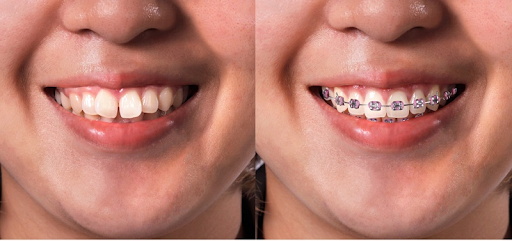
Your smile is one of the first things people notice about you. But beyond appearance, it also affects how you chew, speak, and even how your jaw feels at the end of a long day. If you’ve been wondering how to know if you need braces, you’re not alone. Many teens and adults live with subtle orthodontic issues for years before realizing treatment could dramatically improve their comfort and confidence. The challenge is that not all orthodontic problems are obvious. Some are cosmetic, others are functional, and many are a mix of both. In this comprehensive guide, we’ll break down the most common signs of when you need braces, explain bite concerns like overbites and crossbites, and help you understand when you need braces or Invisalign so that you can make a confident, informed decision about your smile.
Why It’s Important to Identify the Signs Early
Understanding how to know if you need clear or traditional braces isn’t just about straight teeth. Misalignment can lead to:- Uneven enamel wear
- Jaw pain and TMJ issues
- Gum recession
- Difficulty cleaning between teeth
- Increased cavity risk
12 Common Signs You Need Braces
Here are the most recognized and clinically relevant signs that you need braces for both teens and adults in San Gabriel.1. Crowded or Overlapping Teeth
Crowding is one of the most visible signs that you need braces. When teeth overlap, twist, or sit too close together, it becomes difficult to floss properly. Over time, plaque buildup can lead to decay and gum disease. If your upper front teeth overlap or appear rotated in photos, these may be early front teeth signs that you need braces.2. Large Gaps Between Teeth
Spacing issues can occur due to jaw size discrepancies or missing teeth. While some people view gaps as cosmetic, they can affect bite stability. For teens especially, gaps may be among the early-stage signs you need braces as permanent teeth settle into position.3. Overbite
An overbite occurs when the upper teeth excessively overlap the lower teeth. If you’re asking how to know if you need braces for an overbite, watch for these indicators:- Lower teeth hitting the roof of your mouth
- Jaw discomfort or fatigue
- Uneven wear on lower teeth
- A “deep” bite appearance
4. Underbite
An underbite happens when the lower jaw extends forward beyond the upper jaw. This condition can:- Affect chewing efficiency
- Alter speech
- Impact facial profile
5. Crossbite
A crossbite occurs when the upper teeth sit inside the lower teeth when biting down. This misalignment can lead to:- Gum recession
- Uneven enamel wear
- Jaw strain
6. Open Bite
If your front teeth don’t meet when your back teeth close, you may have an open bite. This can make biting into foods like sandwiches difficult and may impact speech. This is one of the functional what are signs you need braces that often go unnoticed.7. Frequent Jaw Pain or Clicking
Jaw popping or soreness can indicate bite imbalance. Many adults dismiss these symptoms, not realizing they are important signs of how to know if you need braces rather than temporary discomfort.8. Difficulty Chewing or Uneven Bite Pressure
If you avoid chewing on one side or feel uneven pressure when biting, this may indicate alignment issues. Chewing discomfort is one of the subtle but meaningful what are signs that you need braces.9. Speech Challenges
Certain misalignments can contribute to lisps or pronunciation difficulties. While not always severe, they can be underlying signs that you need braces.10. Frequent Cheek or Tongue Biting
If you accidentally bite the inside of your cheek often, misaligned teeth could be the cause. This is one of the overlooked signs that you need braces.11. Teeth Shifting in Adulthood
Teeth naturally shift over time. If you had braces years ago and stopped wearing your retainer, you might be wondering again how to know if you need braces. Adult orthodontic relapse is extremely common and treatable.12. You Feel Self-Conscious About Your Smile
Confidence is powerful. If you hide your teeth while laughing or avoid smiling in photos, that emotional discomfort may be one of the personal signs you need braces.How to Know If You Need Braces or Invisalign
Many patients ask, how to know if I need braces or Invisalign.
Traditional Braces May Be Better If |
Invisalign May Be Ideal If |
| You have severe crowding | You have mild to moderate spacing |
| Your bite requires major correction | You can wear aligners consistently |
| Teeth need significant rotation | You prefer a nearly invisible option |
Early Stage Signs You Need Braces in Teens
Parents frequently ask, what are the signs you need braces in teenagers. The following are the signs you need to look for braces in teens:- Mouth breathing
- Jaws are shifting when opening.
- Thumb-sucking history
- Late loss of baby teeth
- Permanent teeth erupting out of alignment
How to Know If You Need Braces as an Adult
If you’re an adult asking how to know if you need braces, here’s the truth: Orthodontic treatment is highly effective at any age. Common adult concerns include:- Worsening crowding
- Gum recession from misalignment
- Chronic jaw tension
- Increased enamel wear
Traditional Braces vs. Clear Braces: Which Is Right for You?
When considering orthodontic treatment, it’s helpful to understand the different types of braces available: traditional and clear braces. Traditional Braces- Made of metal brackets and wires
- Highly effective for complex bite issues, severe crowding, and tooth rotation
- Often, the fastest option for significant corrections
- Ideal for both teens and adults who need precise movement
- Made of ceramic or clear materials that blend with your teeth
- Less noticeable, making them a popular choice for adults and self-conscious teens
- Works well for mild to moderate alignment issues and spacing problems
- Require careful maintenance to prevent staining.
Professional Evaluation: The Most Reliable Way to Know
While self-checks help, the most accurate way to determine how to know if you need braces is through an orthodontic consultation. Specialist orthodontists in San Gabriel evaluate:- Bite alignment
- Jaw positioning
- Digital X-rays
- Spacing and crowding
- Smile aesthetics and goals.
What Happens If You Ignore the Signs?
Ignoring orthodontic issues can lead to:- TMJ disorders
- Cracked teeth
- Chronic headaches
- Gum inflammation
- Increased dental costs over time